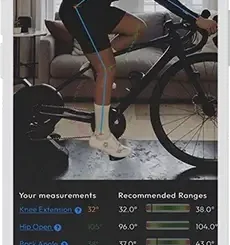
Remember when a bike was just… a bike? Two wheels, a frame, and the open road. Well, that’s changing. Fast. Today, the humble bicycle is undergoing a digital revolution, transforming into a connected hub of data, safety, and sheer riding joy. Building a smart bike isn’t about replacing the soul of cycling with cold silicon. It’s about weaving technology into the ride to solve real problems—like theft, getting lost, or just not knowing how your own body is performing.
Honestly, it’s like giving your bike a sixth sense. Let’s dive into how you can integrate tech to build a smarter, safer, and more capable ride.
The Foundation: What Makes a Bike “Smart”?
At its core, a smart bike uses sensors, connectivity (like Bluetooth or cellular), and software to collect and act on data. Think of it as a fitness tracker, car navigation system, and home security alarm, all bolted onto your frame. The magic happens when these systems talk to each other—and to you.
The Essential Tech Stack
You don’t need to be an engineer to get started. Here’s the deal: most smart bike builds begin with a few key add-ons. A central handlebar-mounted computer or a powerful smartphone mount acts as your dashboard. From there, you layer on devices that typically connect via ANT+ or Bluetooth Low Energy (BLE). These include GPS units, motion sensors, and biometric monitors. The real brain is often an app on your phone, pulling all the streams of data into a single, coherent picture of your ride.
Fortress on Two Wheels: Smart Security Integration
Here’s a painful truth: a traditional lock is just a suggestion to a determined thief. Smart security moves the goalposts. It’s about deterrence, alerts, and recovery.
You can integrate GPS trackers discreetly inside the frame or seat post. These little devices ping their location to your phone, letting you see your bike’s whereabouts in real-time on a map. Pair that with an motion and tilt alarm. If someone jostles your locked bike, your phone screams—and so can a built-in siren on the tracker itself. It’s a one-two punch that turns a passive lock into an active guardian.
Some of the most effective systems even use geofencing. You draw a virtual boundary on a map—say, around your favorite coffee shop. If your bike moves outside that zone without your phone being nearby? Instant alert. It’s peace of mind you simply can’t get from a chunk of metal alone.
Never Miss a Turn: Smarter Navigation
Fumbling with a phone mid-ride is dangerous and, well, annoying. Smart navigation solves that. Dedicated bike computers from brands like Garmin or Wahoo sync with routes you plan in apps like Komoot or Strava. They then give you turn-by-turn directions right on a small, sunlight-readable screen. But we can go deeper.
Imagine navigation that considers more than just the shortest path. Integrated route planning for cyclists can factor in elevation, road surface (paved vs. gravel), and even real-time traffic or popular cycling heatmaps. Newer systems can re-route you on the fly if you wander off course or if there’s a road closure ahead.
And here’s a cool, sensory detail: some handlebar setups use haptic feedback—gentle vibrations in the left or right grip—to tell you which way to turn. Your eyes stay on the road, your ears on the sounds of the city or trail. It’s intuitive. It just feels right.
The Data-Driven Ride: Performance & Health Tracking
This is where things get personal. Performance tech isn’t just for pros. It’s about understanding your body’s conversation with the bike.
Basic integration starts with speed, cadence, and heart rate sensors. Good stuff. But to truly build a connected performance bike, consider a power meter. It measures the actual watts you’re putting into the pedals—the gold standard for measuring effort. It’s like having a coach on board who speaks in hard facts, not just “that felt hard.”
| Sensor Type | What It Measures | The “So What?” For You |
| Heart Rate Monitor | Cardio exertion | Train in correct zones, avoid burnout. |
| Cadence Sensor | Pedal revolutions per minute | Improve pedaling efficiency, find your sweet spot. |
| Power Meter | Actual force applied (Watts) | Precisely measure fitness gains and pacing. |
| GPS & Altimeter | Route, speed, elevation gain | Track progress on familiar climbs and segments. |
All this data flows into your head unit or phone. Over time, you see trends. You learn that you push too hard on Tuesday hills and fade by Thursday. You see your fitness curve actually go up. It’s motivating. It turns every ride into a purpose.
The Integration Challenge: Making It All Work Together
Okay, so you’ve got a basket of gadgets. The trick is harmony. You know, avoiding a mess of separate apps and dead batteries. Look for an ecosystem. Choose a primary platform—be it a bike computer or a robust app—that can act as the central hub for most of your devices. Check compatibility before you buy.
Battery life is a real-world pain point. Nothing kills the smart bike vibe like a dead GPS right before a big ride. Create a simple charging routine. Maybe it’s every Sunday night: you plug in the computer, the lights, the tracker. Make it a habit.
And let’s be real—sometimes, tech fails. The connection drops. The screen freezes. That’s why the best smart bike build is still, fundamentally, a great bike. The technology should assist the ride, not be the ride. Don’t forget to look up from the stats and feel the wind sometimes.
The Road Ahead: Where This Is All Going
The future is even more connected. We’re talking about V2X (vehicle-to-everything) communication, where your bike could signal its presence to cars and smart infrastructure to prevent accidents. Automatic crash detection that alerts emergency contacts. Dynamically adjusting suspension based on trail conditions scanned ahead.
Building a smart, connected bike today is an experiment. A personal project. It’s about choosing the tech that solves your specific frustrations. Maybe you just start with a killer lock and a GPS tag. That’s a huge win. Later, you add a computer and a heart rate strap.
In the end, you’re not just bolting on gadgets. You’re crafting a more responsive partner for your adventures. You’re building confidence, unlocking new routes, and understanding your own potential in a way that was once reserved for athletes with team budgets. The bicycle hasn’t lost its soul. It’s just learned to talk back.